Skip to content
The relationship between Russia and Ukraine has always been fraught with historical and cultural complexities, this conflict has starkly highlighted the strained dynamics. Shared history aside, their political and economic discord has escalated into violent clashes, prompting questions about the rationale behind such a war and the geopolitical motivations of the few nations that may be seen as tacitly or openly supporting Russia’s actions.

Belarus has maintained its staunch support for Russia, acting as a key ally in the conflict. China, on the other hand, initially expressed a principled alignment with Russia but is now treading cautiously.
Caught between its close partnership with Moscow and its concern over further straining relations with Western powers, Beijing has adopted a carefully balanced approach. North Korea, under Kim Jong-un’s regime, has also aligned itself with Russia, capitalizing on the conflict to denounce U.S. policies and strengthen its ties with Moscow.
Similarly, Syria’s President Bashar al-Assad has publicly supported Russia, compelled perhaps by an established history of collaboration; Syria had previously recognized breakaway territories supported by Russia following the Georgian conflict in 2008.
Venezuela, under President Nicolás Maduro’s leadership, has voiced explicit support for Russia’s actions, bolstering its alliance with Moscow. Meanwhile, the Yemen Houthi rebels have expressed backing for Russia’s recognition of Donetsk and Luhansk as independent entities, though they have cautioned against the war’s potential to exhaust Russian resources.
Critics argue this support is tied to political and financial backing from Russia in recent years. Iran also figures into the equation. While engaged in nuclear negotiations with Western powers and acting diplomatically under Russian protection at the UN, Iranian officials have blamed NATO’s actions for provoking the current crisis.
Other nations in Central Asia, though heavily influenced by Russia economically and politically, have refrained from outright condemnation of the invasion, choosing instead a more neutral stance.
At the United Nations, the global sentiment against Russia’s actions is evident. A significant majority condemned Moscow’s aggression, leaving only a handful of countries—like North Korea and Eritrea—providing direct support.
Approximately thirty nations abstained from these votes, possibly fearing economic or political retaliation from Russia. China remains a critical player to watch. Early in 2022, it declared a strong partnership with Russia, yet Vladimir Putin’s aggressive moves have placed Beijing in an uncomfortable position ahead of significant internal political events like the Chinese Communist Party Congress.
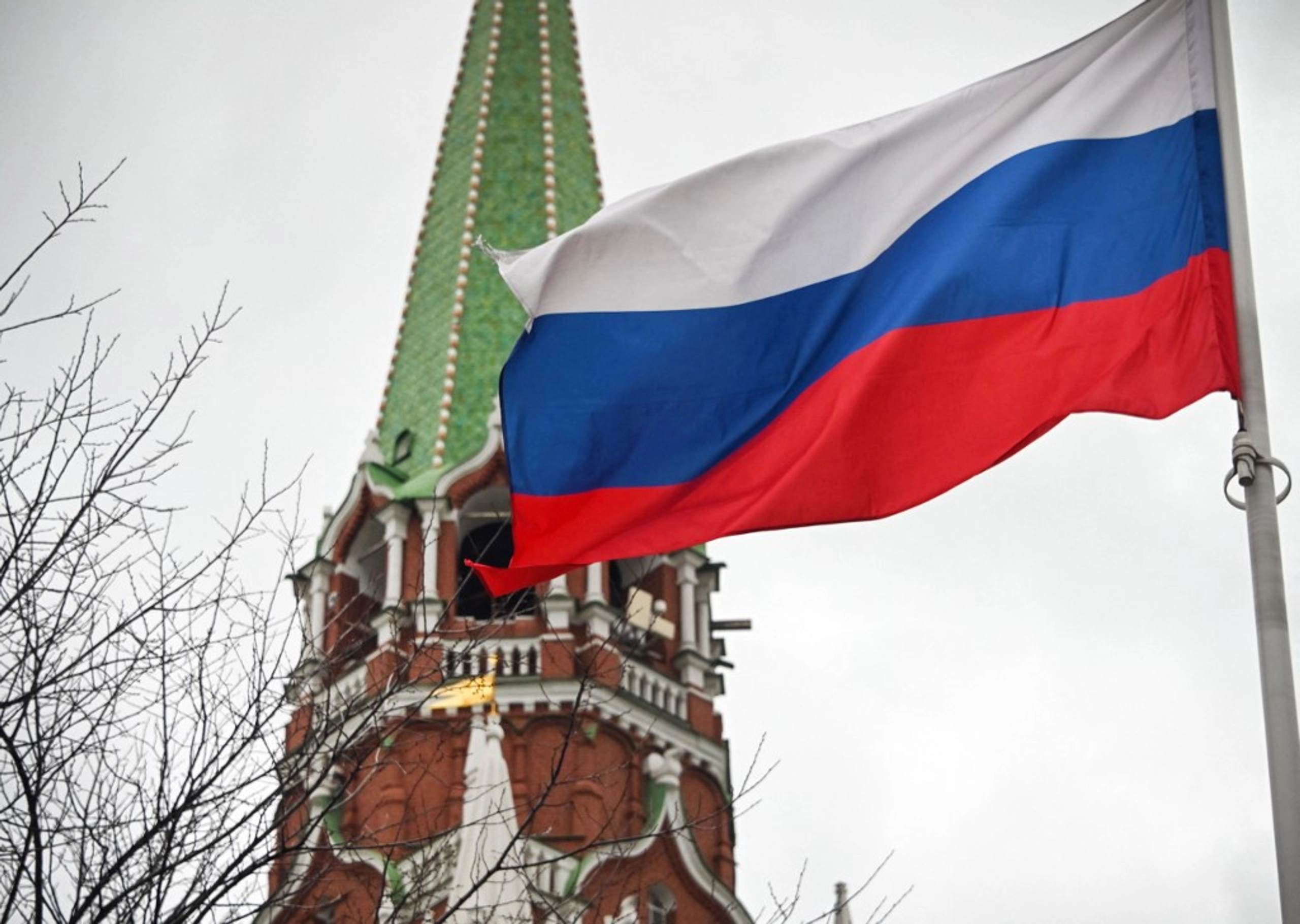
President Xi Jinping must weigh whether to aid Russia in bypassing Western sanctions or distance China to maintain global economic ties. How China navigates this decision will be crucial—not only for the progression of the war but also for the future of international diplomacy.
Without substantial financial support from allies like China, Russia could find itself unable to sustain prolonged military actions or curb domestic dissent as public disapproval of the conflict grows within its borders. In such a scenario, Putin’s hold on power may face mounting risk.
Amid this geopolitical turbulence, it is increasingly clear that Putin’s Russia stands more isolated on the global stage than ever before.
Culled from quora.com/medium.com