
October 14, 2026
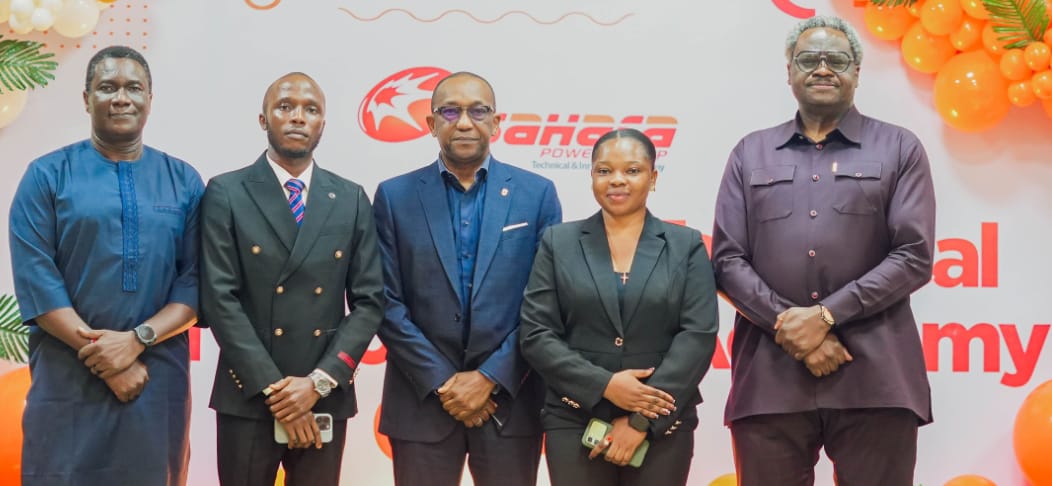
Nigeria’s electricity sector is steadily advancing toward sustainable power generation and the adoption of innovative strategies for energy security. In this regard, equipping a new generation of skilled engineers to spearhead these efforts has become increasingly vital. The Sahara Power Technical and Innovation Academy (SPTIA), an initiative by Sahara Group, embodies this vision, aiming to empower young engineers to transform these aspirations into dependable power solutions for the grid.
SPTIA, organized in partnership with Egbin Power and First Independent Power Limited (FIPL), offers a comprehensive ten-month hands-on training program aimed at equipping young Nigerian engineers with essential technical skills and practical experience crucial for the power sector. This program goes beyond traditional classroom learning. Participants are immersed in a real operational setting, working alongside experienced professionals in areas such as generation, maintenance, and operations. This experience enables trainees to grasp real-world challenges and devise innovative solutions for reliable and efficient power generation, thereby enhancing the sector.
The curriculum combines intensive classroom and practical instruction with on-the-job training across Egbin Power, Ikeja Electric and FIPL’s critical power generation and distribution assets, giving trainees direct exposure to real-time operations, maintenance systems, and industry best practices. Mandatory safety modules, reinforced through scenario-based practical sessions, instil the safety-first discipline that the industry demands.
Upon completing the program, the trainees will be integrated into various organizations within the Sahara Group and the wider electricity industry, contributing to capacity development across the entire sector. This approach is designed not only to support Sahara Power Group but also to drive progress toward the nation’s broader energy goals.
Beyond deepening investment in the sector, closing these skill gaps will help address some of the challenges in the sector, which include ageing infrastructure, grid instability, and a widening gap between installed capacity and reliable delivery. This requires a new generation of engineers capable of adopting innovative solutions and artificial intelligence tools that are now reshaping how energy systems are monitored, maintained, and optimised globally. Predictive maintenance, real-time diagnostics, and data-driven plant management are no longer optional extras; they are fast becoming the baseline for operational excellence.
The programme is designed with this future in mind, equipping young engineers to think beyond conventional operations and to view technology and innovation as essential tools for addressing Nigeria’s energy security challenges directly.
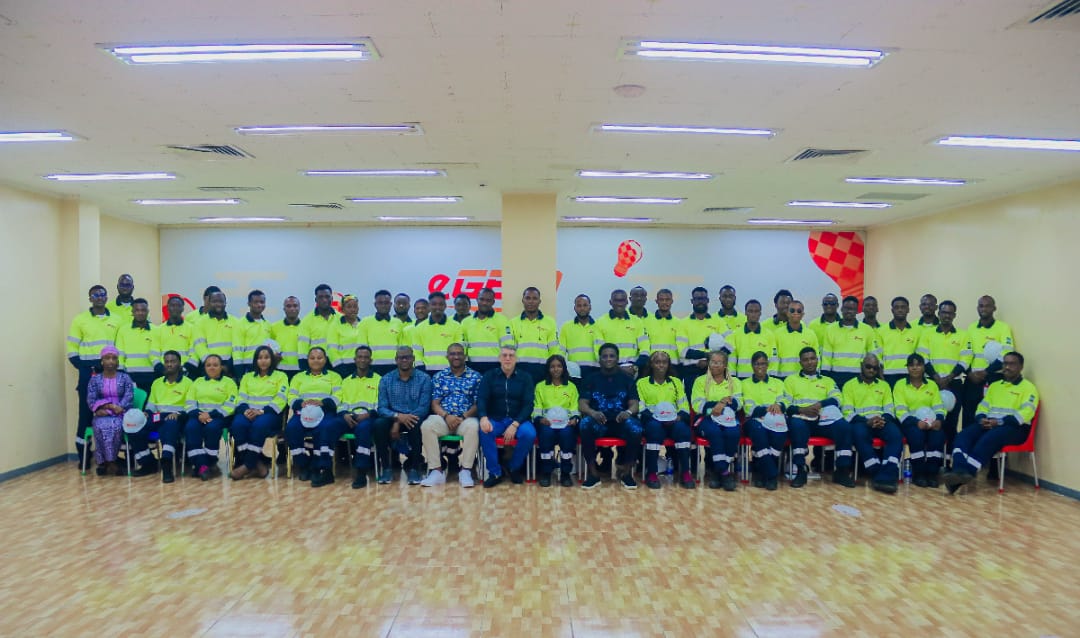
Each participant is equipped with a high-end, personalised digital device to support their technology-driven training and provide access to learning resources. The programme also provides a befitting living environment, including comfortable accommodation with recreational facilities, uninterrupted power supply, and access to free healthcare — ensuring trainees can dedicate their full attention to the rigorous demands of the Academy.
During the launch of SPTIA, Kola Adesina, Group Managing Director of Sahara Power Group, emphasised the philosophy behind the Academy: a deliberate, strategic investment in Nigeria’s human capital. “We are committed to powering Nigeria not just through infrastructure, but through people. This Academy reflects our belief that the future of sustainable energy delivery must be driven by skilled, young professionals who understand the local operating environment.”
He identified Egbin Power and FIPL as the ideal foundation for the initiative, highlighting their track record of operational excellence and technical expertise. “By leveraging these assets, we are creating a pipeline of engineers who are not only technically sound but also industry-ready from the outset.”
Adesina encouraged the trainees to approach the programme collaboratively, as a means to sharpen the problem-solving skills that will define their contributions to the sector’s advancement. “We are here to truly and responsibly make a difference. We are here to look around our environment, and we are curious enough to see how we can make things better. We believe you are here to make things better and add value to the sector,” he said.
The programme’s teachings extend beyond technical instruction to include essential life and personal development skills for growth. During an interactive session with Mokhtar Bounour, Chief Executive Officer of Egbin Power, the trainees had the opportunity to explore questions that went beyond power generation and industry dynamics — delving into professional growth and the mindset required to build a lasting career in a demanding industry.
Bounour’s charge to the trainees was direct and practical, prodding them to make continuous improvement a personal discipline rather than an abstract ideal: “In any situation in your life, personal or professional, keep asking yourself: ‘What can I do to change it, to do it better, to improve?’ And then act on it. Don’t stop at theory and tell yourself you’re too tired to follow through. If you can identify one small action, take it. Never underestimate the small steps; over time, they are what carry you the furthest. That mindset, more than any single technical skill, is what will define the engineers who go on to shape this sector.”
For the trainees, the programme’s impact is already reshaping how they see their profession and their place within it. Osapkolor Igbinakenzua reflected on how the experience has deepened his understanding of engineering itself: “The Academy has exposed me to a lot. Coming here has truly made me appreciate what engineering means, particularly in power generation. I’ve seen the practical application of concepts I only knew in theory, and beyond the power plant and the classroom, I’ve had the privilege of learning directly from industry professionals and a strong team of colleagues. I believe the future of power generation in Nigeria is in safe hands, because by the end of this training, we’ll be among the engineers driving the country’s power industry forward.”
Blessing Adumekwe described the programme as both intense and clarifying: “It has been an inspiring blend of practical and theoretical training. We now understand how departments, such as Chemistry, Operations, Electrical, Instrumentation & Control, Mechanical and others, all work together to make power generation possible. By the end of this programme, I believe we’ll have the insight not only to advance our own careers, but to inspire other young engineers and help move the sector forward.”
According to Philips Aka, “The training has shown me how power generation works, from generation through to distribution. It’s exciting because you get both the classroom experience and the practical exposure. What I’ve learned is that we are all surrounded by opportunity. The key is knowing how to maximise it. After this programme, I want to contribute meaningfully to the power system and help build a better, greener energy future for Nigeria.”
Esene Osamudiame called the experience an eye-opener: “It has been exciting, challenging, and genuinely eye-opening. I now have far greater insight into the power sector value chain, and I intend to put everything I’ve learned to work in the plant. The mentoring session with the CEO of Egbin Power left a lasting impression on me. I learned that discipline could take you even further than technical knowledge alone.”
While describing the training as a personal turning point, Kehinde Owoeye said: “My experience so far has been transformative, a genuine knowledge-transfer journey. I’ve gained deep insight into power generation from the ground up, and the training has helped me understand exactly how I can become a solution-provider within the sector, not just an observer of it.”
Another trainee, Margaret Adebayo, summed up the journey as both educational and motivating: “The experience has been educative and truly amazing. Moving from theory to hands-on learning in the power plant has given me a deep appreciation for the power generation process. I’m looking forward to making a real difference in the sector once this intensive programme is complete.”
SPTIA is more than a training initiative. It is a statement of intent. By channelling skilled engineers directly into the national talent pool, Sahara Power Group is investing in the long-term resilience of Nigeria’s electricity sector, extending its impact well beyond its own workforce and into the broader architecture of the country’s energy future.
It is a vision built on a simple but powerful premise: that Nigeria’s energy security will not be won by infrastructure alone, but by the ingenuity, discipline, and innovative thinking of the people who run it. Through SPTIA, Sahara Group, Egbin Power, and FIPL, engineers are being equipped as problem-solvers and innovators — the future leaders who will power Nigeria for the next 30 years and beyond.