July 08, 2026
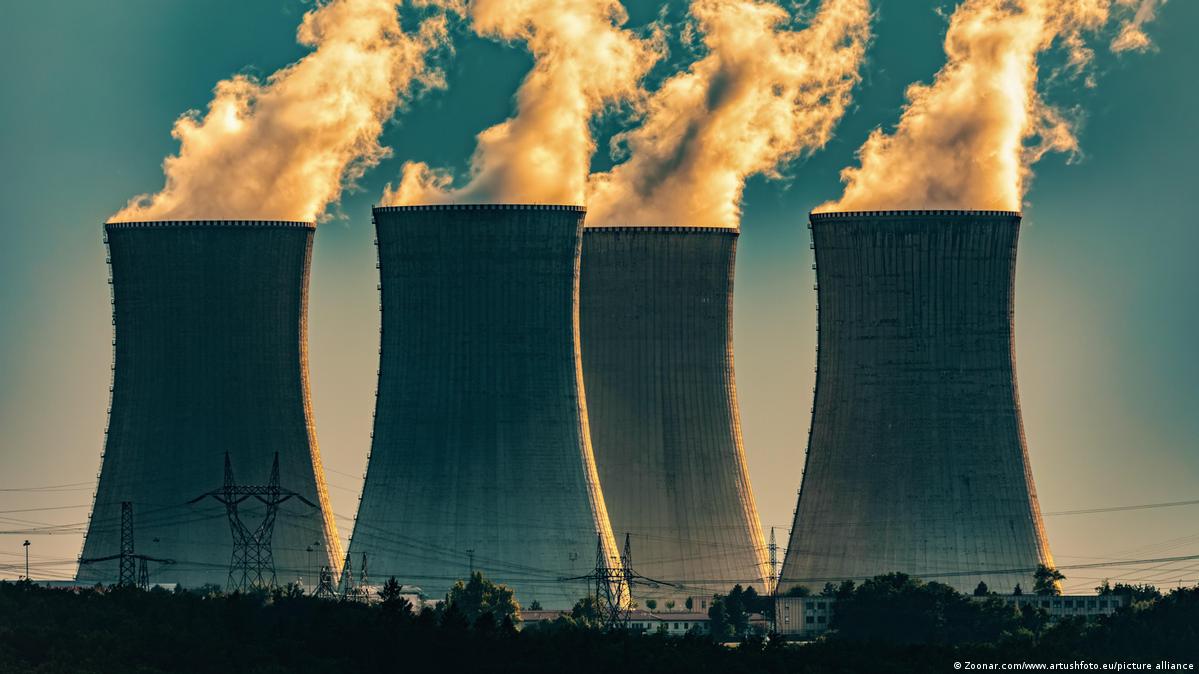
The world’s fleet of nuclear power capacity is expected to surge by 44% over the next decade as China will topple the United States as the biggest nuclear power capacity holder and India will hike its capacity to boost energy security.
These are the estimates in a new report by BloombergNEF, which sees total global nuclear capacity at 535 gigawatts (GW) by 2036, up from the 372 GW of installed capacity as of the end of 2025.
China is set to nearly double its current nuclear capacity to 102 GW from 59 GW, surpassing the U.S. as the holder of the largest nuclear power fleet, according to the report published on Wednesday.
Energy security, soaring electricity demand from AI centers, and decarbonization targets will all combine to contribute to the surge in nuclear power capacity additions in the coming decade.
Nuclear power is making a global comeback as governments and tech companies seek reliable, low-carbon energy sources.
In the biggest emerging markets in Asia, China and India, nuclear power will be key to meeting rising electricity demand from electrification and AI centers.
China is building solar, wind, coal, and nuclear with equal enthusiasm to include “all of the above” energy sources. Beijing plans to put into operation seven new nuclear reactors this year, boosting its already substantial fleet, which is already the largest in the world.
Meanwhile, a panel set up by India’s power ministry has said in a report that India’s goal to boost its installed nuclear power capacity to 100 gigawatts by 2047, up from just 8.8 GW now, would require as much as 19.28 trillion Indian rupees, or $204 billion at current exchange rates, of cumulative capital.
The Indian government has said that its Nuclear Energy Mission targets 100 GW capacity by 2047 “through deployment of existing and emerging advanced nuclear technologies, both indigenous & with foreign cooperation.”
oilprice.com