Skip to content

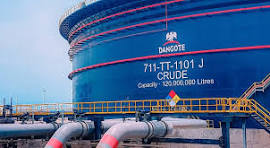
Nigeria is contemplating modifications to its crude allocation and pricing regulations to enhance feedstock access for its refineries, such as the Dangote Refinery, according to the local association of oil refiners.
Dangote has previously highlighted that Nigeria’s pricing framework increases feedstock costs for refiners by $3 to $4 per barrel since transactions are conducted through the trading divisions of producers. Analysts note that the primary hurdle in local crude transactions is related to pricing, rather than the physical availability.
According to Reuters, the move could help boost operations at Dangote’s 650,000 barrel-per-day refinery, Africa’s largest, whose output has at times been constrained by difficulties securing sufficient crude supplies domestically.
The Crude Oil Refinery-owners Association of Nigeria (CORAN) said the proposed changes are expected to be discussed this week during a regulator-led review of Nigeria’s domestic crude supply obligation, which requires producers to supply local refiners before exporting.
Under one proposal, a producer linked to an IOC’s network could deliver crude directly to a nearby refinery, with volumes reconciled later at the terminal, said CORAN spokesperson Eche Idoko, adding this would reduce reliance on trunklines and bring crude closer to refiners.
A second proposal would allow refiners that lift crude directly from production facilities to receive a discount reflecting the freight and handling costs embedded in Brent-linked pricing but not actually incurred by them.
“This could be a win-win for both the producers and refiners,” said Idoko.
The Nigerian Upstream Regulatory Commission (NUPRC) released data on Monday showing producer compliance with the domestic crude supply framework rose to over 90% from less than 43% in the previous quarter.
The metric tracks actual deliveries against volumes allocated by the regulator, not refinery demand met. Under the scheme, producers must offer allocated volumes to local refineries, with sales agreed on a ‘willing-buyer, willing-seller’ basis.
A NUPRC official said the ideas “are on the table” largely at the urging of inland refiners, but added that implementation would require addressing crude quality differences and pricing adjustments.
An official of NUPRC mentioned that these ideas are specifically considered due to the push from inland refiners. However, noting that for implementation, it would be necessary to tackle issues related to differences in crude quality and make pricing adjustments.
Culled from tbiafrica.com