
Nov 03, 2026
The global gas market could remain tight well into next year as Europe enters the heating season with the lowest levels of gas in storage in over a decade, the International Energy Agency (IEA) said in a new report on Tuesday.
Despite the strengthened interconnectivity of the various regional gas markets in recent years, thanks to expanded spot trading and a higher number of destination-flexible LNG cargoes, the Strait of Hormuz crisis has seriously affected gas markets in Europe and Asia, according to the IEA’s Global Gas Security Review 2026.
The lack of meaningful recovery of LNG flows at the Strait of Hormuz and the approaching winter have combined to intensify the competition of spot supply between Asia and Europe, hiking both regional benchmark LNG and gas prices to the highest levels since the 2022-2023 supply crisis.
“The current Middle East crisis has dealt a major shock to global gas and LNG markets,” the IEA said in its report.
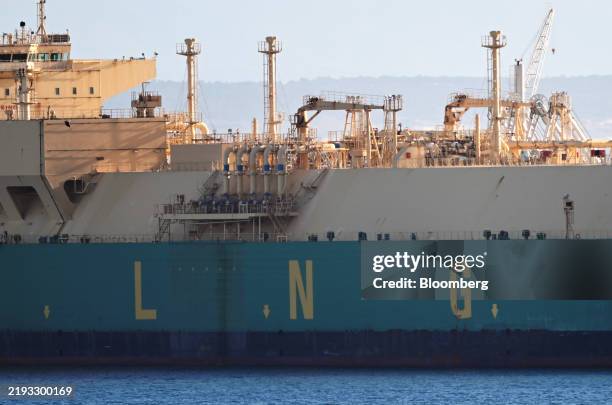
LNG loadings from Qatar and the United Arab Emirates (UAE) tumbled by more than 60 billion cubic meters (bcm) between March and October. The steep decline was only partly offset by higher LNG output and exports from new projects in North America and Africa, as well as by the increased availability of feedgas supply from legacy producers in Africa, Asia, and Russia.
Non-Persian Gulf LNG production grew by 14%, or by over 40 bcm y-o-y, between March and October, offsetting two-thirds of the decline in Gulf LNG deliveries. However, global LNG production fell by 6%, or by around 20 bcm y-o-y, over the period.
Global LNG supply is expected to fall by 3% in 2026, the steepest yearly decline on record, the IEA said, assuming that flows through the Strait of Hormuz will remain largely disrupted at least until the end of 2026.
Qatar last week hinted at disruption at least until the end of the year, as state-owned QatarEnergy extended the force majeure on LNG deliveries to most customers to the end of December 2026.
Europe’s low storage levels could also “substantially increase the need for injections to replenish inventories through summer 2027, which could extend global market tightness well into the coming year,” the IEA noted.
Oilprice.com