Sept 21, 2026
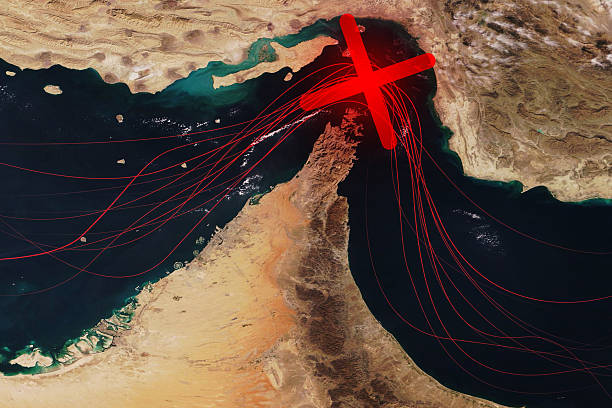
QatarEnergy CEO and Qatar Energy Minister Saad al-Kaabi says the Strait of Hormuz crisis could delay the company’s LNG expansion because critical equipment cannot reach Qatar, Reuters reported on Monday. North Field East’s first production train remains on schedule for the first half of 2027, Al-Kaabi said, but additional trains are contingent on Hormuz traffic resuming and North Field South beginning production on schedule in 2028.
Iran’s March 18 missile strike on Ras Laffan Industrial City knocked out two of Qatar’s 14 LNG trains, removing 17% of the country’s export capacity and an estimated $20 billion in annual revenue. QatarEnergy expects the damaged trains, representing 12.8 million tons of annual capacity, to stay offline three to five years, while Shell’s Pearl gas-to-liquids plant, also struck in the attack, is due back in service by the first quarter of 2027. Al-Kaabi said Qatar is producing a “very minute” volume of LNG now and could resume normal operations within a couple of weeks of Hormuz reopening.
Qatar is drawing on its Golden Pass joint venture with ExxonMobil in Texas to add supply, with Train 2 due online in the second half of 2026 and Train 3 in the first half of 2027, bringing the 18-million-ton-a-year facility to full capacity after Train 1 shipped its first cargo in April. Al-Kaabi told forum attendees in New York QatarEnergy will become “the largest LNG trader in the world by far.”
QatarEnergy entered 2026 with a target to lift capacity from 77 million tons a year to 142 million tons by 2030, a program that would have supplied 40% of all new LNG entering the global market and required roughly $83 billion in combined investment from ExxonMobil, ConocoPhillips, Shell, TotalEnergies and Eni. The Ras Laffan strike has since removed 12.8 million tons of that capacity before a single new train reached full output.
Al-Kaabi ruled out pipelines as a Hormuz workaround on commercial and technical grounds: LNG cannot move through a pipeline in liquefied form, requiring gas to be piped to a receiving terminal and re-liquefied there. “This means we are building redundant facilities to the ones we are already building in Qatar as part of the North Field expansion project. This makes no economic sense,” he said, adding that neighboring countries had offered territory for a route Qatar decided against.
LNG tankers have resumed limited transits through the Strait, with satellite tracking showing at least two carriers passing through and two more completing ship-to-ship transfers off Oman in the past week, after six months in which the passage carried close to none of the three LNG cargoes a day that moved through it before the war. Asian and European gas prices are at their highest since the 2022-2023 energy crisis, and analysts expect a further one-third increase this winter if cold weather compounds low European storage levels.
Oilprice.com