Skip to content
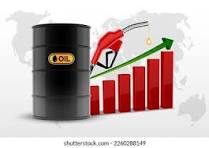
Global crude oil prices are climbing amidst growing tensions in the Middle East. Consequently, NNPC and Dangote Refinery could be prompted to raise fuel prices in Nigeria once more. This development has sparked worries about a probable hike in the cost of petrol and other energy products in the near future.
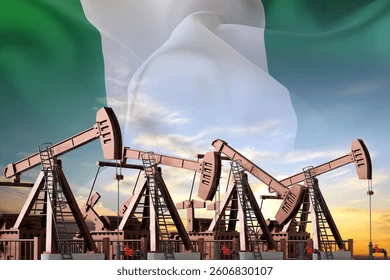
Recently, crude oil prices spiked dramatically, surpassing $100 per barrel and briefly reaching $111 per barrel, reflecting a 20% surge within minutes during early Asian trading sessions.
As reported by the BBC, prices recorded a 10% rise in just one minute and continued to climb rapidly within the following quarter hour. The price hike is tied to geopolitical instability in the Middle East, disrupting energy infrastructure in Iran and the Gulf region.
Effects of prolonged blockage
While the global markets had remained stable despite threats to crude oil transport through the crucial Strait of Hormuz, the latest tensions have spooked energy markets. Analysts warn that a prolonged blockage of this vital transit route could push crude prices beyond $150 per barrel by March’s end.
For Nigeria, a major oil producer but an import-dependent nation for refined products, such a surge could lead to higher costs of petrol, jet fuel, and other derivatives. This would further burden consumers who are already struggling with inflation and high living costs.
Last week, the Dangote Petroleum Refinery raised its ex-depot price for Premium Motor Spirit (PMS) to N995 per litre. Consequently, retail outlets in some states have increased pump prices, with rates exceeding N1,200 per litre in certain areas.
The recent jump in global crude prices may soon lead to an additional hike in fuel prices, compounding challenges for ordinary Nigerians.
A significant contributing factor is the reliance on crude oil transported via the Strait of Hormuz, which handles an estimated 15% of the world’s crude supply. A disruption in this corridor could further strain global energy supplies and worsen the situation for Nigeria’s fuel market.
Anthony Chiejina
Anthony Chiejina, spokesperson for Dangote Refinery, acknowledged the soaring operational costs driven by the Middle East conflict. He explained that while both local and international sources supply crude to the refinery, rising freight and insurance rates are reflective of ongoing geopolitical uncertainties.
Despite these hurdles, he assured that the refinery’s crude supplies had not been directly affected.
In response to these challenges, the Nigerian National Petroleum Company Limited (NNPC) is reportedly working to stabilize operations at the Dangote refinery by securing international crude supply through third-party traders. According to insiders, this move aligns with NNPC’s mandate to maintain Nigeria’s energy security.
By utilizing its global trading network, the company aims to source oil at competitive rates to ensure continuous refining activities domestically. A senior NNPC official noted, on condition of anonymity, that current agreements allow about five crude cargoes monthly to reach the Dangote Refinery under a naira-for-crude arrangement.
However, the facility requires 13 cargoes per month to meet domestic demand fully. With limited domestic provisions, the refinery has been forced to rely on higher-cost imported crude from international markets.
Eche Idoko and other experts
Experts believe a more effective implementation of the naira-for-crude policy could stabilize fuel costs over time.
According to Eche Idoko, National Publicity Secretary of the Crude Oil Refinery Owners Association of Nigeria, providing local refineries with adequate domestic crude would significantly curb reliance on expensive imports and create a favourable environment for more consistent fuel prices moving forward.
Analysts further observe that limited issuance of petrol import licenses contributes to challenges in the sector, complicating efforts to shield Nigerians from escalating energy costs amidst volatile global market conditions.