
REA Brings 1MW of Clean Energy to Rubochi and Ikwa Communities Through Korean Initiative
The Rural Electrification Agency (REA), in collaboration with the Government of the Republic of Korea, has officially launched a clean energy infrastructure featuring a combined capacity of 1MW for two communities as part of the Korean Energy Project (KEP).
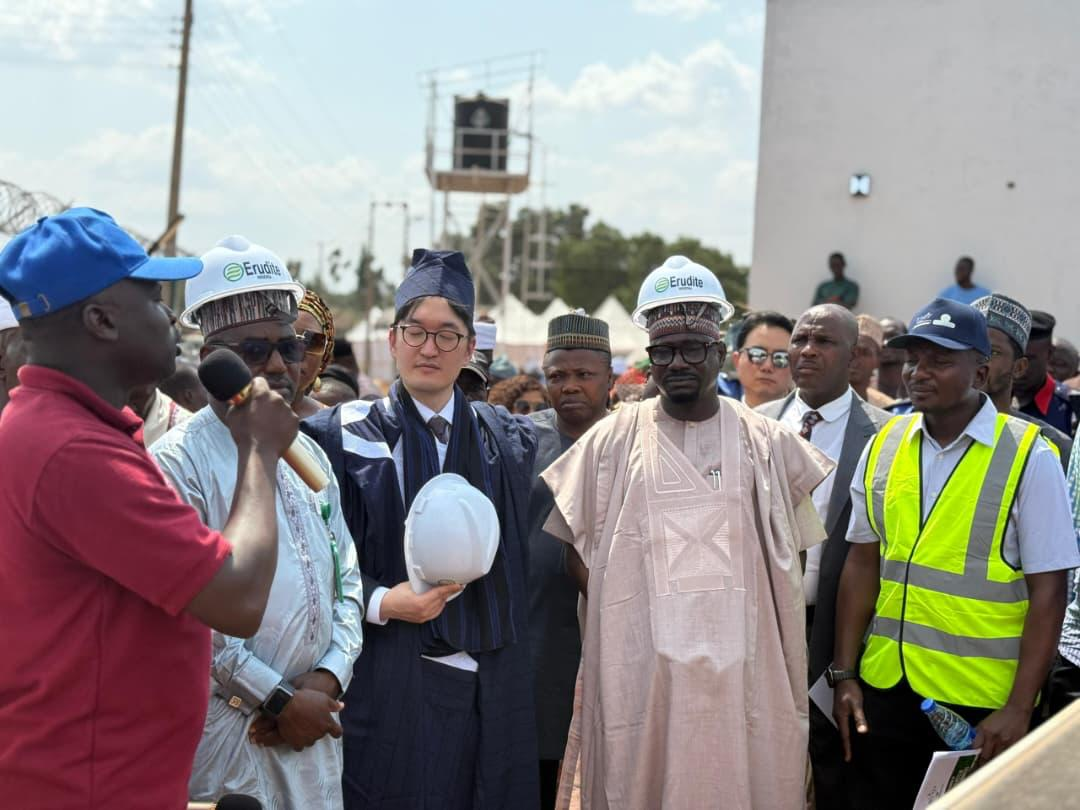
This initiative includes a 900 kWp solar hybrid facility in Rubochi and a 100 kWp system in Ikwa, both located within the Federal Capital Territory (FCT). These mini-grids are strategically positioned to serve the communities effectively, providing consistent and reliable electricity to households, small businesses, schools, healthcare centers, and local commercial hubs 24/7.
The KEP is one of the most significant and timely Official Development Assistance (ODA) efforts received by the Nigerian Government. Implemented with precision by the REA, this project highlights Nigeria’s dedication to advancing universal energy access through sustainable and community-oriented solutions. In Rubochi alone, around 2,500 households and institutions now benefit from dependable power, while the Ikwa community has achieved 300 connections so far.
The outcomes are both immediate and transformative: small businesses can now operate beyond daylight hours, students experience enhanced learning environments with better lighting, healthcare services become more reliable, and local economies thrive, generating jobs and improving livelihoods.
As a fully integrated energy solution, the project features efficient solar generation, a modern distribution network, advanced metering infrastructure, and essential household energy appliances, including lighting points and sockets, all of which facilitate immediate productive use of electricity.
Opinion
The commitment of the REA and the Federal Government towards improving power supply in local communities throughout Nigeria is commendable.
However, numerous towns and villages, such as Abaji Town in the Abaji Local Government Area of the Federal Capital Territory (FCT) and surrounding areas like Ajana, Maogi, Pandaji, Gau, and Nuku, continue to experience insufficient electricity.
This ongoing power deficiency has resulted in a rise in incidents of robberies and assaults, as well as cable theft and damage to electrical infrastructure in these regions.
Residents are of the opinion that if the Federal Government places a higher priority on the continued development of the Federal University of Science and Technology in Abaji, it could greatly enhance the socio-economic activities and overall progress of the region.