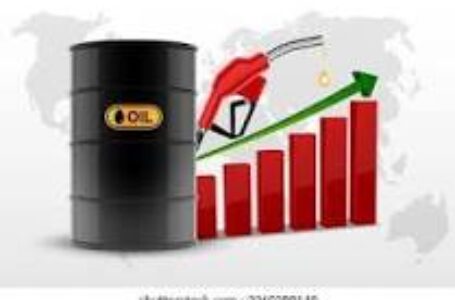

Global possible effects of LNG Market Crisis
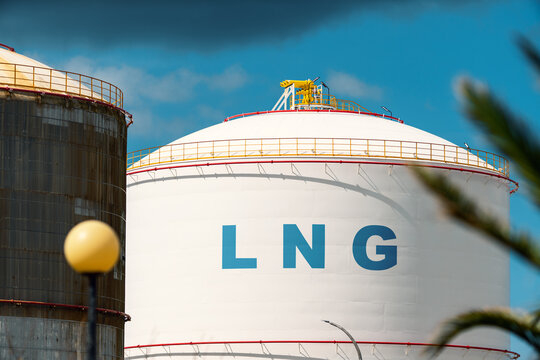
… imagined effects on Nigeria’s oil and consumers
An LNG market crisis, such as the March 2026 disruption in Qatari supplies, creates immediate global price shocks, intensified Asia-Europe competition for cargo, and severe shipping bottlenecks. It threatens to significantly increase energy costs, force fuel switching, and trigger supply shortages in import-dependent regions, similar to the 2022 energy crisis.
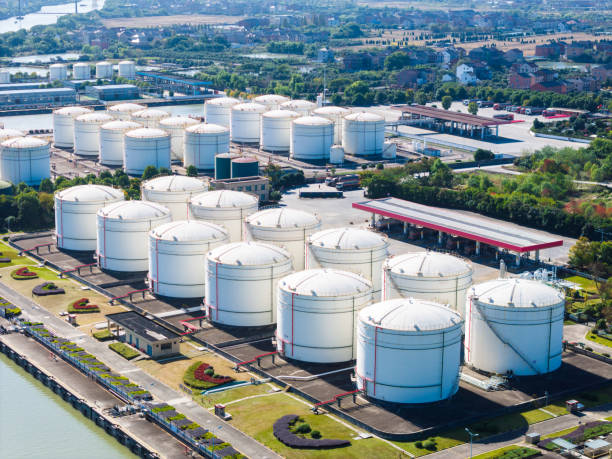
EFFECTS
Soaring Global Prices: Disruption in supply, particularly from key exporters like Qatar (which can remove up to 20% of global supply), causes immediate, massive spikes in wholesale natural gas prices in both Asian and European markets.
Intense Asia-Europe Competition: With reduced supply, Asian buyers (Japan, South Korea, China) and Europe compete for limited, non-Middle Eastern cargoes, primarily from the US and Australia.
Shipping and Logistics Bottlenecks: Crisis in key chokepoints like the Strait of Hormuz or security threats in the Red Sea force tankers to take longer, costlier routes, reducing available, effective shipping capacity and increasing charter rates by over 40%.
Energy Security and Industrial Impact: Price-sensitive nations (e.g., India, Pakistan, Bangladesh) may face supply defaults and reduced consumption. High costs could force industries to curtail production or switch to more polluting fuels, affecting manufacturing sectors globally.
Long-Term Strategic Shifts: The crisis accelerates the pivot towards long-term contracts with alternative suppliers, drives investment in new infrastructure (e.g., US pre-FID projects), and intensifies the push for renewable energy to reduce reliance on volatile fossil fuel markets.
Economic Strain: Elevated energy prices could trigger inflationary pressures, increasing the cost of living and production for businesses and households worldwide.
IMAGINED EFFECTS ON NIGERIA’S OIL
An LNG market crisis, characterized by supply disruptions and high demand, significantly impacts Nigeria’s oil sector by driving up global Brent crude prices. While this boosts potential export revenue, it also intensifies domestic economic pressure due to reliance on imported refined products and highlights vulnerabilities from security issues, such as pipeline attacks causing gas shortages.
Boosted Export Revenues (Short-Term) As global energy crises drive up prices (e.g., Brent crude rising above $84/barrel in early 2026), Nigeria faces a favourable fiscal environment to maximize oil earnings.
Increased Domestic Fuel Costs: The crisis increases the cost of crude oil and maritime freight, leading to higher petrol (PMS) prices at the pump for consumers (e.g., rising to over N900 per litre), putting strain on the domestic economy.
Supply Disruptions and Lower Output Nigeria’s Liquefied Natural Gas (LNG) exports have seen a dramatic decline of 20 percent, primarily due to a surge in pipeline attacks and persistent security challenges in the Niger Delta region, according to findings by BusinessDay… January 30, 2025. The export volumes must have reduced up to 40% if not more in early 2026.
Increased Need for Local Refining
The price volatility emphasizes the urgent need for Nigeria to expedite the rehabilitation of its four state-owned refineries and maximize local production to avoid importing refined products at higher prices.
Forced Shift to Spot Market Due to internal production declines, Nigeria may struggle to meet long-term contracts, forcing stakeholders to source LNG on the spot market, potentially reducing profits.
Strategic Implications:
The crisis compels Nigeria to move beyond being just an exporter and focus on accelerating its “Decade of Gas” initiatives (2021-2030) to secure higher revenues.
EFFECTS OF INCREASED DOMESTIC FUEL COSTS ON NIGERIA CONSUMERS AS A RESULT OF LNG MARKET CRISIS
Increased domestic fuel costs in Nigeria, driven by the global LNG market crisis, Naira depreciation, and imported inflation, have caused a 58.68% year-on-year surge in
cooking gas (LPG) prices. This has forced households to switch to charcoal/firewood, spiked transport fares, accelerated general inflation, and reduced purchasing power, significantly intensifying economic hardship.
Household Economic Strain The cost of refilling a 12.5kg cylinder jumped from an average of ₦10,545 in October 2023 to ₦16,734.55 by October 2024, causing severe financial strain on households. Some retailers reported prices approaching ₦19,200 by March 2026.
Widespread Inflation Rising petrol and gas costs have triggered a sharp increase in transportation fares, which drives up the cost of food and other essential goods, further reducing the purchasing power of citizens.
Energy Insecurity and Substitutes Due to high costs, many Nigerians are reverting to environmentally harmful energy sources such as firewood, charcoal, and even kerosene, increasing indoor air pollution.
Supply Chain Disruption High costs for transporting products from depots to retail points have led to scarcity and price volatility, with some dealers increasing prices due to supply pressures.
Business Operating Costs Small businesses reliant on gas for operations face higher overheads, threatening their viability.
Social Impact The sustained high cost of living is causing severe economic hardship, leading to feelings of hopelessness and raising the risk of social unrest.
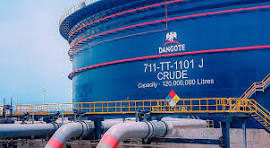
Despite the crisis, the Dangote Refinery is viewed as a potential long-term stabilizer by aiming to reduce reliance on imported fuel, although current inflationary pressures on daily life remain intense.