

Global Climate Tax Plan Puts Big Oil in the Crosshairs
February 03, 2026
- The UN is debating a global tax framework that could link oil and gas industry profits to climate compensation, but member states remain divided and the outcome is uncertain.
- Efforts to make Big Oil pay for climate change are not new.
- With energy transition costs rising and legal success mixed, taxation is emerging as an alternative tool.
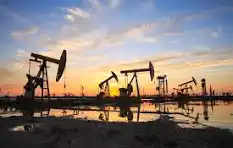
The United Nations is discussing a new international tax collection cooperation regime that, among other things, aims to extract money from the oil and gas industry for climate change. It is not the first attempt to make the industry pay, and it will not be the last. The idea’s chances of success, however, remain uncertain.
The idea is part of the Framework Convention on International Tax Cooperation, a deal that is currently being negotiated at the UN headquarters in New York with a view to improving tax collection globally—and raising the tax burden for the very wealthy. The discussions unsurprisingly focus on sustainability, and there are plenty of UN member countries that are eager to make Big Oil pay for the natural disasters they are experiencing. However, there are also others who are not so eager to either put Big Oil on the hook for natural disasters or impose a global tax on the very rich.
According to the latest updates from the discussions, there have been proposals to link the profits of the oil industry to compensation payments for climate change, but not everyone is on board with the idea on the grounds that the proposals lack clarity and strength. This is too bad for the proponents of making Big Oil pay for climate change: estimates from such organizations show that the income from such additional taxing could have reached $1 trillion for the period since 2015, when the Paris Agreement was signed.
An agreement to tax Big Oil for what energy transition advocates say is its role in human-made climate change would no doubt trigger a reaction from that industry, and that reaction may well involve courts—where anti-oil groups have had mixed success with making Big Oil pay for climate change.
California, for instance, filed a lawsuit against the oil industry back in 2024, originally accusing Big Oil of downplaying the risks associated with the use of oil and gas and climate change. It targeted Exxon, Chevron, BP, and ConocoPhillips. Later, however, Attorney General Rob Bonta added a special clause that requires “a party who profits from illegal or wrongful acts to give up any profits they made as a result of that illegal or wrongful conduct. The purpose of this remedy is to prevent unjust enrichment and make illegal conduct unprofitable.”
How this lawsuit is going remains unclear, but most recently, the California political leadership has softened its tone to Big Oil in a bid to keep some refineries operating in the state and avoid a further surge in fuel prices, even as it strives to go all-electric in transport.
Maine is also suing Big Oil for something termed “climate lies”. The “climate deception” case was granted the go-ahead by a federal judge last year. The plaintiffs have accused half a dozen Big Oil majors plus the American Petroleum Institute of “failing to warn Mainers and concealing their knowledge about the devastating consequences of the increasing use of fossil fuels on Maine’s people, economy, and environment.”
Climate lawfare, as many call it, has become one of the preferred avenues for climate activists to punish the industry they hold singularly responsible for changes in weather patterns across the world. Yet because success is far from guaranteed, taxation has emerged as an alternative solution to what is shaping up as a major financing problem for the energy transition. The transition, it has turned out, is costing a lot more than previously hoped, and the money must come from somewhere.
Big Oil is the obvious first pick: it makes a lot of money because it trades in vital energy commodities—that are being blamed for climate change—and it stands to reason that some of that money is due to those who fight against the use of these commodities, despite their vital nature. It remains to be seen if the UN discussions will end in a rule to tax Big Oil. Even if they do, the countries looking forward to the tax revenue would better have some patience. Big Oil is not giving up without a fight this time.
Oilprice.com