
Can We Say U.S is Virtually Interested in Venezuela’s oil, Nothing More?
Yes, the U.S. has significant strategic and economic interests in Venezuela’s vast oil reserves, particularly its heavy sour crude needed by U.S. refineries, but recent events suggest a broader agenda involving geopolitical influence, regime change, and combating drug trafficking (though the latter is debated).
While oil is a primary driver, U.S. involvement encompasses rebuilding its fractured industry, ensuring energy supply, countering rivals (Russia, China, Iran), and potentially establishing new political stability, making the interest multifaceted, not just oil.
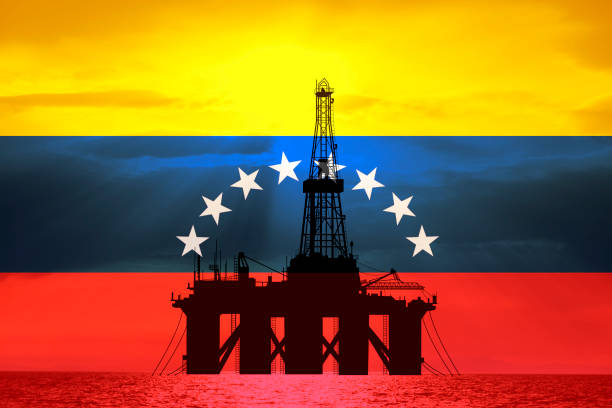
Why Venezuela’s Oil Matters to the U.S.:
- Refinery Compatibility: U.S. refineries, particularly on the Gulf Coast, are designed to process Venezuela’s heavy sour crude, which is ideal for producing diesel, asphalt, and other key products, notes CNN and Leverage Shares.
- Energy Security: Restoring Venezuelan production could provide a stable, nearby supply, reducing dependence on other regions and potentially lowering global oil prices.
- Economic Opportunity: U.S. oil giants see potential profits in investing billions to fix Venezuela’s dilapidated infrastructure, which was once world-class, say Axios, WMTW, and Politico.
Broader U.S. Interests & Actions:
- Geopolitical Competition: The U.S. seeks to counter the influence of Russia, China, and Iran, which have supported the Venezuelan government.
- Regime Change/Stability: Recent actions, including military posturing and sanctions, aim to pressure the Maduro government and install a more favorable regime, according to BBC and Reuters.
- Counter-Narcotics: The Trump administration claims strikes on drug-trafficking vessels are a key reason for intervention, though evidence is disputed by experts, notes BBC and Al Jazeera.
Conclusion:
While oil is undeniably central to U.S. interest in Venezuela, the current situation involves a complex mix of economic, strategic, and political goals, making it more than just about crude, according to NPR.
AI Views
As of January 2026, the U.S. has intensified its focus on
Venezuela’s oil reserves, but its interests extend into critical geopolitical and security domains following the capture of Nicolás Maduro by U.S. forces on January 3, 2026.
While economic motives are central, the U.S. also pursues several broader objectives:
1. Energy and Economic Control
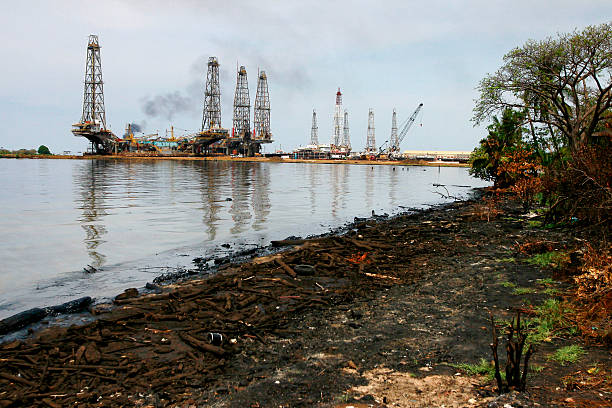
- Oil Industry Dominance: President Trump stated that U.S. companies will be “very strongly involved” in rebuilding Venezuela’s infrastructure and extracting wealth as “reimbursement” for previous damages and nationalized assets.
- Controlling Global Supply: Control of the world’s largest oil reserves is seen as a way for the U.S. to project power in international markets and potentially disrupt energy supplies to rivals like China.
2. Geopolitical Supremacy
- Hemispheric Dominance: The intervention has been framed as an application of the “Monroe Doctrine” (styled by Trump as the “Donroe Doctrine”) to ensure that U.S. dominance in the Western Hemisphere is “never questioned again”.
- Countering Foreign Influence: A major goal is to remove the influence of Russia, China, and Iran, which have historically provided Maduro with economic and military support.
3. National Security and Counter-Narcotics
- Targeting “Narco-Terrorism”: The U.S. justified the 2026 military operation as a law enforcement action to capture Maduro on charges of narco-terrorism and drug trafficking.
- Regional Stability: The U.S. aims to curb transnational criminal organizations like the Tren de Aragua and manage mass migration flows that have strained neighboring countries like Colombia.
4. Humanitarian and Political Transition
- Governing for Transition: Trump initially stated the U.S. would “run” Venezuela until a “safe, proper, and judicious transition” can occur, though Secretary of State Marco Rubio later clarified that the U.S. does not intend to govern the country indefinitely.
- Aid and Recovery: The U.S. continues to be a major provider of humanitarian aid, with over $210 million allocated in FY 2024 for food, healthcare, and protection of vulnerable populations.
These official records and news reports explain the U.S. military operation in Venezuela, its stated goals, and international reactions:
google.com / AI response