Skip to content

The United Arab Emirates (UAE) will officially leave OPEC and OPEC+ as of May 1, marking the end of nearly 60 years of membership. The country’s state news agency, WAM, confirmed the decision on Tuesday, describing it as one of the most significant exits in OPEC’s history. This departure removes the cartel’s third-largest producer at a time when global oil markets are already under immense pressure.

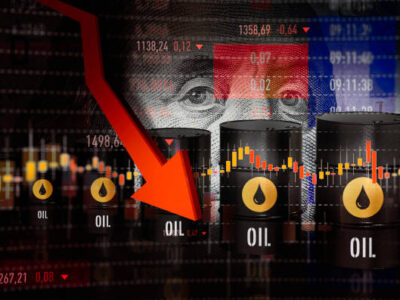
The announcement comes amid a tense geopolitical and economic backdrop. The war involving Iran drags into its ninth week, the Strait of Hormuz remains effectively blocked, and crude oil prices have surged above $110 per barrel. For the UAE, however, this decision has been brewing for years.
Since joining OPEC in 1967, tension between Abu Dhabi and Saudi Arabia has gradually intensified, particularly over oil production quotas. As part of the OPEC+ agreement, the UAE has been constrained to producing around 3 million barrels of oil per day, despite possessing a capacity exceeding 4 million barrels. The state-owned Abu Dhabi National Oil Corporation (ADNOC) has been pushing aggressively toward a production goal of 5 million barrels per day by 2027—an ambition difficult to reconcile within the framework of OPEC’s production limits, which are based on collective market considerations.
Relations between the UAE and Saudi Arabia frayed further during the ongoing conflict in Yemen. Earlier this year, Saudi forces reportedly intercepted an alleged UAE-linked shipment of unauthorized weapons headed for southern Yemen, followed by airstrikes on the port city of Mukalla. The UAE denied accusations of arming separatist groups, but the diplomatic fallout between the two regional powers has yet to heal.
UAE Energy Minister Suhail al-Mazrouei had hinted at such a pivot for some time. In late 2022, he remarked that “oil, no matter how much we defend it, is in decline mode” and suggested it was “wishful thinking” to believe otherwise. The UAE has increasingly framed itself as a forward-looking global player rather than merely another oil exporter in OPEC’s ranks. It has signed a $100 billion clean energy deal with Washington and committed to achieving net-zero emissions by 2050—ambitions that made its continued membership in OPEC harder to align with its national strategies.
In the short term, the direct impact of the UAE’s exit on oil markets is limited. While this move theoretically lifts production restrictions for the country, much of its additional capacity remains idled due to ongoing disruptions around the Strait of Hormuz. Estimates from the U.S. Energy Information Administration (EIA) suggest Gulf producers collectively shut down roughly 9.1 million barrels per day in April. Without access to shipping routes, the UAE’s ability to pump more oil remains limited for now.
The long-term implications, however, could be seismic. The UAE adds to a growing list of countries leaving OPEC in recent years: Qatar exited in 2019, followed by Ecuador soon after, while Indonesia suspended its membership in 2016 and Angola withdrew in 2023. But losing a founding member—and a top-tier producer—during a time of heightened geopolitical strain presents a different kind of challenge for the group. With Saudi Arabia and Russia already working hard to hold together OPEC+, this latest defection may test their ability to maintain cohesion among remaining members.

The Baker Institute previously warned that a UAE exit would represent “the most high-profile departure from the group to date, overshadowing Qatar’s 2019 exit.” Historically, OPEC has survived numerous crises—such as conflicts like the Iran-Iraq war, economic meltdowns like Venezuela’s collapse, and internal disagreements like the Saudi-Russia price war in 2020. However, defections by long-standing members pose a unique threat.
The burning question now is how Saudi Arabia will respond—through aggressive price cuts, renegotiations within OPEC+, or a more muted approach? Either way, the next OPEC+ meeting will be critical in shaping the organization’s strategy moving forward in these turbulent times.
Culled from CNN, Oilprice.com