

August 18, 2026
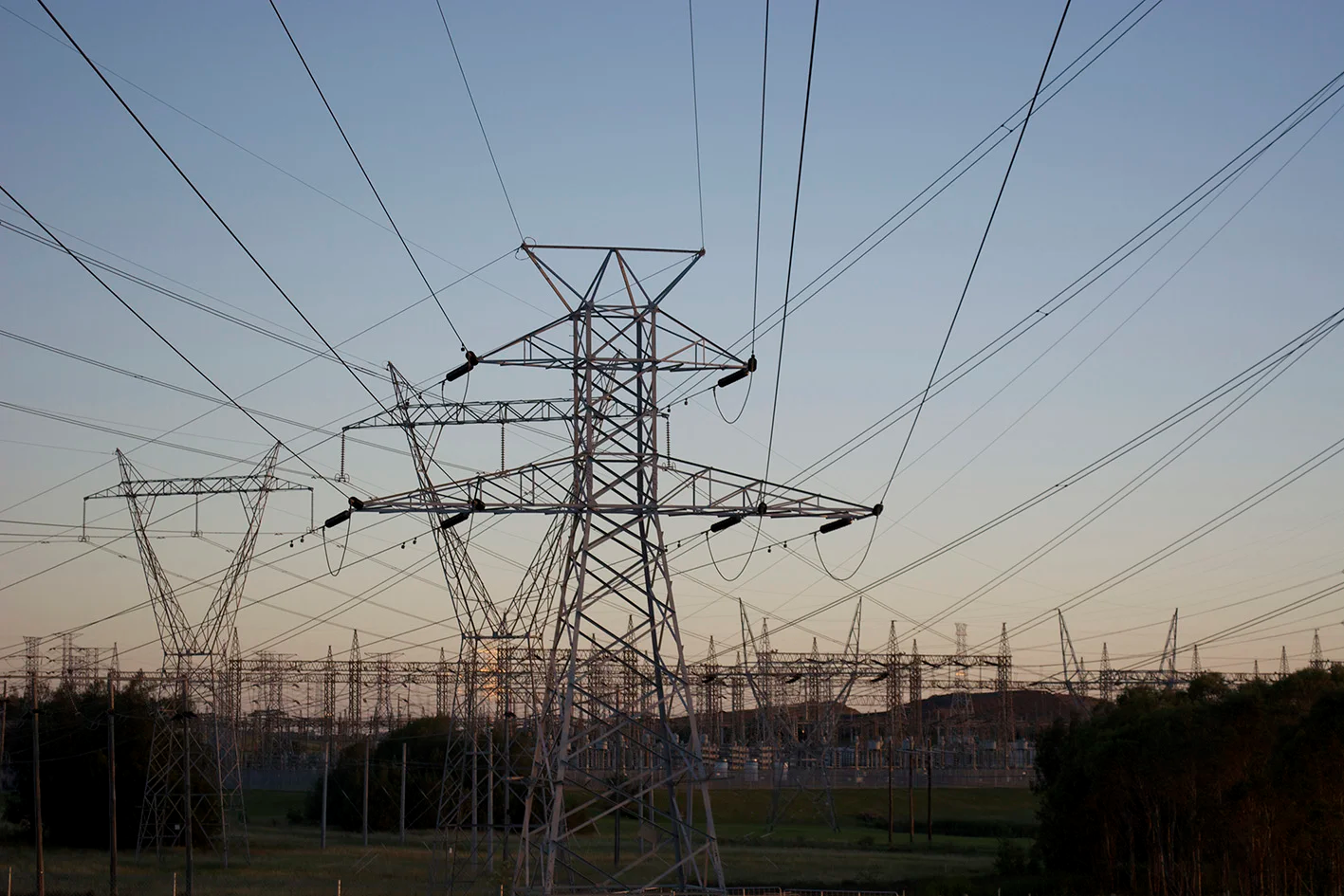
In March, Duke Energy became the first utility in South Carolina to apply under a new program that makes it easier for electric companies to raise power bills on an annual basis. When those increases can actually take place remains a question as the company appeals regulators’ decision to the state Supreme Court.
COLUMBIA — Duke Energy is asking South Carolina’s Supreme Court to clear the path to hike rates 4% this year for its Pee Dee customers.
In March, Duke became the first utility in the state to apply to participate in a program approved by the Legislature last year, which makes it easier for electric companies to raise power bills annually.
When those increases can hit customers’ bills remain questionable.
Duke appealed to the high court after utility regulators ruled July 15 that it couldn’t raise rates for a year after first applying for the program, called rate stabilization.
Duke’s lawyers argue that’s not how the program was meant to work.
“The PSC’s decision effectively sidelines the Legislature’s clear direction to allow more timely cost recovery of prudent utility investments and more predictable customer rate adjustments by refusing to apply the framework as written,” reads a company statement to the SC Daily Gazette about the lawsuit filed in late July.
South Carolina’s Department of Consumer Affairs is asking the Supreme Court to dismiss the case, arguing it’s a matter for the Public Service Commission to decide.
The program, which previously was only available to gas utilities, became law for electric providers as part of a massive energy package signed into law in May 2025.
Utilities that use the program go before regulators annually for up to five years to seek permission to raise prices. Rate payers can still protest, and regulators still have the final say over whether expenses meet the necessary requirements for an increase. But the process is less in depth because it doesn’t call into question a utility company’s allowed profit margin, which in Duke’s case is 9.99%.
When utility executives made the pitch to legislators for rate stabilization, they said it was a common request from customers for smaller, incremental price increases rather than large jumps every few years.
Duke, under its initial finding however, asked regulators to sign off on a 6.6% leap.
Only after the state’s utility and consumer watchdogs pushed back did Duke reduce its ask to 4%.
The requested increase also came just 41 days after Pee Dee customers saw their monthly bills go up as part of a previously approved rate bump.
That prior increase had raised the monthly bill for a so-called average residential customer using 1,000 kW hours of electricity in the Pee Dee to about $156, an $11.23 increase.
This latest proposal would have taken it up again this month.
The difference between the previous rate hike and Duke’s latest request, according to spokesman Ryan Mosier, is the first one covered only past expenses from 2023 and 2024. This new one was for improvements made in 2025.
At first, the seven regulators who sit on the state Public Service Commission denied the request.
Then, in July, they said Duke could use the new mechanism but couldn’t actually raise rates until a year after applying. The reason, the commissioners wrote in their order, was that Duke had relied on data that predated their actual filing and needed to wait for a new round of numbers to come in.
In response, Duke argues the commission’s decision “ignored established precedent and undermined the purpose of the law,” the company said in its statement.
The utility will have to take out loans, resulting in $6 million in borrowing costs and interest that will eventually be passed on to customers, according to the company.
Also part of the discussion before the commission was the combination of Duke’s two South Carolina utilities — Duke Energy Progress, which covers the Pee Dee, and Duke Energy Carolina, which covers the Upstate.
That merger is slated to take place in January 2027.
But even as the two service areas are combined under one umbrella, the rates each group of customers pay will differ for the time being.
Duke’s Upstate residential customers already pay roughly $10 less a month, for the so-called average customer, compared to those in the Pee Dee.
Duke previously said it planned to gradually shift the two sets of rates until they are evenly matched, but this requested rate increase would have only put the two further apart.
scdailygazette.com