Skip to content

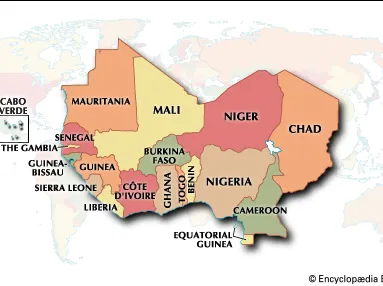
Industry experts, market analysts, and stakeholders have outlined key measures that Nigeria and other West African countries should adopt to strengthen energy security and reduce the impact of future global oil market disruptions.
The recommendations were made during a webinar organised by the Major Energies Marketers Association of Nigeria (MEMAN) in partnership with S&P Global Energy. The webinar, titled “The Iran War Aftermath: Reading the Tea Leaves — Mitigating Future Oil Market Shocks in West Africa,” was held on Thursday.
In a communiqué issued after the event, MEMAN’s Executive Secretary, Clement Isong, said participants identified three major strategies for improving energy security: expanding domestic refining capacity, building strategic petroleum reserves, and increasing investment in alternative energy sources, particularly natural gas.
Speakers at the webinar included S&P Global Energy’s Africa Head of Fuels and Refining, Stanislas Drochon; senior Nigerian downstream industry leader, Olumide Adeosun; and S&P Global Energy’s Senior Price Reporter for EMEA Gasoline and West African Refined Products, Mathew Thracey-Cook.
The experts noted that global energy priorities are shifting, with countries seeking to balance energy security, affordability, and sustainability. They stressed that Africa’s energy transition should be a “just transition” that recognises the continued role of fossil fuels in the short to medium term while promoting cleaner and more diversified energy sources.
According to the communiqué, recent geopolitical tensions have highlighted the importance of energy security as both an economic and national security issue. Countries with strong refining capacity, adequate fuel reserves, and diversified energy sources are better equipped to withstand external shocks and protect consumers from market volatility.
The experts recommended expanding local refining capacity to reduce dependence on imported petroleum products and improve regional self-sufficiency. They also called for the establishment and maintenance of strategic fuel reserves to cushion the effects of supply disruptions and market shocks.
In addition, they emphasised the need to accelerate investment in cleaner and alternative energy sources, including gas and biofuels, to improve energy access, affordability, and resilience.
The webinar also examined market pricing trends, supply chain challenges, and the importance of regional cooperation in stabilising energy markets across West Africa. Participants agreed that stronger policy coordination, improved infrastructure, and diversified energy investments are critical to achieving long-term energy stability.
MEMAN reaffirmed its commitment to promoting transparent market development, supporting policy dialogue, and advancing practical solutions to strengthen Nigeria’s and West Africa’s energy future