Skip to content
The unexpected sharp rise in Dangote cement prices to over N10,000–N11,000 per bag in early 2026 is primarily attributed to escalating inflation, a significant devaluation of the naira driving up the cost of imported materials like gypsum, and surging diesel prices. These factors have increased production costs dramatically, compelling manufacturers to pass these burdens onto consumers while also managing supply chain interruptions and heightened energy expenses.

Key contributing factors include:
Currency Devaluation and Higher Production Costs: With approximately 50% of production costs linked to the U.S. dollar, the weakened naira has led to a sharp rise in the cost of importing necessary inputs such as gypsum, fuel, and spare parts.
Energy and Logistics Costs: Automotive Gasoline Oil (diesel) now exceeds N1,300 per litre, drastically raising transportation and operational costs for factories.
Supply Chain Strain and Demand Growth: Manufacturers face high production costs alongside increased demand driven by large government projects. Meanwhile, reduced production capacity at times has contributed to shortages, further driving up retail prices.
Economic Challenges: Rising operational expenses, particularly for energy sources like gas and electricity tariffs, have left cement producers struggling to sustain prior price levels. Although efforts have been made to stabilize prices, persistent macroeconomic challenges and logistical hurdles have prevented any significant cost reductions for consumers.
As of March 2026, the ongoing U.S.-Israel-Iran conflict is intensifying global crude oil prices, directly impacting fuel and transportation costs in Nigeria. This situation inflates production and distribution expenses for Dangote Cement, likely leading to even higher cement prices due to soaring energy costs.
War-Driven Effects as of March 9, 2026, local retailers have raised the price of a bag of Dangote cement to N11,800 (excluding delivery), while petrol/diesel now costs between ₦1,000 and ₦1,620 per litre as against ₦875 per litre in early March 2026.
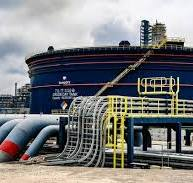
Rising Transportation Costs: Increased petrol and diesel prices are making it significantly more expensive to transport heavy goods like cement, contributing to higher market prices.
Higher Production Expenses: Cement manufacturing heavily depends on energy, meaning rising fuel costs directly inflate operational expenditures for producers like Dangote.
Wider Impact: Should the global conflict continue to strain supply chains and elevate crude oil prices further, manufacturing and distribution costs will rise, likely increasing the cost of cement in Nigeria. This could further strain businesses globally if the situation persists.
Impact of War on Electricity Prices in Nigeria
The U.S.-Israel-Iran conflict is also amplifying electricity costs due to its effects on Nigeria’s intertwined energy sector.
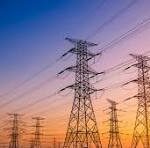
Increased Power Generation Costs: Nigeria’s power grid primarily relies on thermal plants fueled by gas and diesel. Rising global oil prices are driving up these generation costs may compel utility companies to hike electricity tariffs.
Escalating Fuel Prices: Supply chain disruptions caused by the war are spiking petrol and diesel prices, raising self-generation expenses for households and industries alike.
Heightened Operating Costs: Distribution Companies (DisCos) will definitely face increased logistics and operational expenses due to soaring fuel costs which may add pressure to pass these onto end-users.
Broader Inflationary Effects: Rising energy and transportation costs contribute significantly to inflationary pressures across the economy, directly eroding consumer purchasing power and imposing greater hardships on both individuals and businesses.