Skip to content

February 16, 2026
China’s oil imports from Russia are projected to reach an unprecedented level of over 2 million barrels per day in February, as India reduces its spot purchases from Russia, leading to significant discounts for Chinese independent refiners.
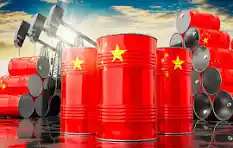
China is expected to import between 2.07 and 2.08 million barrels per day (bpd) of Russian oil this month, as reported by Reuters. This amount would set a new record, considerably surpassing the estimated 1.7 million bpd of Russian oil imported by China in January.
U.S. sanctions on Russian companies Rosneft and Lukoil, along with pressure from the U.S. on India to decrease or completely stop imports of Russian oil, have resulted in the widest discounts for Russian crude in years.
The prominent Russian grade Urals, which was previously supplied to India, is now being offered at prices between $9 and $11 per barrel below the benchmark ICE Brent for January/February deliveries to China, according to traders speaking to Reuters.
Discounts further increased earlier this month following a trade agreement between the U.S. and India, which stipulates that reduced U.S. tariffs on Indian goods are contingent upon India significantly cutting its Russian oil purchases.
While India aims to satisfy the U.S. Administration by lowering its spot purchases and state refiners halt their activities regarding Russian barrels, Chinese refiners have eagerly taken advantage of the low-priced crude. This is particularly evident among the so-called teapots, the independent refiners located in Shandong province, who have not hesitated to accept any sanctioned supplies in recent years, including shipments from Iran, Russia, or Venezuela under Maduro.
With Venezuelan sales now regulated by the United States (U.S.) and conducted through leading international traders Vitol and Trafigura, the discounts on Venezuelan crude have decreased in comparison to Brent. However, the discounts for Russian crude have expanded, which Chinese independent refiners continue to embrace.