Optimising Power Sector, Tinubu inaugurates Committee On Grid Asset Management Company (GAMCO)


56% Electricity Customers Were Metered in Septermber/October 2025 -NERC
…Aba, Abuja, Eko, Ikeja and Port Harcourt DisCos scores above 60%

Accurate electricity metering is the foundation of fair billing, revenue assurance, and consumer trust in any power system. Without meters, estimated billing thrives, disputes escalate, and confidence in the electricity market erodes.
The latest Nigerian Electricity Regulatory Commission (NERC) factsheet on customer metering for September and October 2025 shows that while progress is being made, it remains slow, uneven, and structurally fragile.
National Metering Performance: Incremental Progress
As of September 2025, Nigeria recorded 12,030,315 active customers; 6,661,564 metered customers; 80,943 new meters installed; National metering rate is 55.37%
In October 2025, the figures improved slightly: 12,071,018 active customers; 6,768,386 metered customers; 106,822 new meters installed; National metering rate is 56.07%
While over 106,000 new meters were installed in October—representing a clear improvement over September—the national metering rate increased by only 0.70 percentage points. This modest gain reflects a critical reality: customer growth continues to dilute metering progress.
Taking both months together, Nigeria’s average metering level stands at approximately 55.72%.
NERC’s data reveals a widening performance gap across the electricity distribution companies.
DisCos Above 50% Metering include Aba, Abuja, Eko, Ikeja, Port Harcourt, Benin, and Ibadan have all crossed the 50% metering threshold. Among them, Lagos-based DisCos—Ikeja and Eko—continue to lead nationally, with metering levels exceeding 84%, reflecting stronger operational capacity and sustained investment in metering infrastructure. Abuja DisCo also remains relatively strong, with a metering rate above 75%.
DisCos Below 50% Metering are Enugu, Jos, Kaduna, Kano, and Yola remain below the 50% mark. In some networks, fewer than one in three customers is metered, particularly in Yola and Jos. Monthly meter installations in these areas remain low, suggesting that without targeted interventions, the metering gap will persist.
Metering Effort Versus Reality
The data highlights a structural challenge within the sector. Even DisCos installing tens of thousands of meters monthly are only achieving marginal percentage gains due to the sheer size and continued growth of their customer bases.
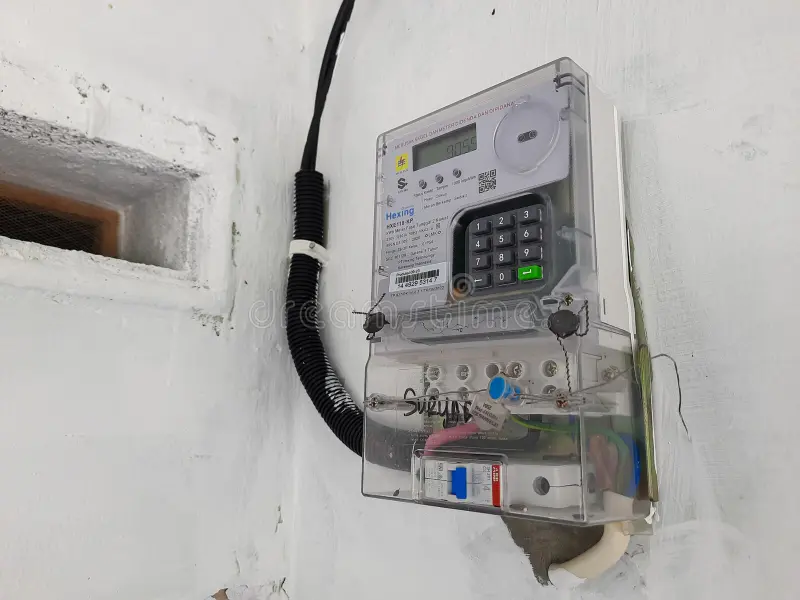
This leads to a sobering conclusion: at the current pace, metering progress will not eliminate estimated billing within a reasonable timeframe.
Government Funding and Policy Direction
Recent policy actions signal growing government commitment to closing Nigeria’s metering gap. Key initiatives include:
₦28 billion under the Meter Acquisition Fund (MAF – Tranche B) approved by NERC for the procurement and installation of prepaid meters, particularly for Band A customers.
₦700 billion Presidential Metering Initiative (PMI) aimed at deploying up to two million meters annually over five years.
$500 million World Bank support approved by the National Assembly to strengthen power sector reforms, including metering.
₦12.7 billion released to meter military formations nationwide, improving billing accuracy and addressing electricity debt accumulation.
These interventions are substantial. However, funding alone will not resolve the problem. Execution capacity, logistics, customer readiness, and DisCo accountability remain decisive.
Conclusion: Beyond the Numbers, Crossing the 56% national metering threshold represents progress, but it does not yet amount to transformation.
DisCos with strong performance must now push toward near-universal metering, while underperforming networks require tighter regulatory enforcement, region-specific solutions, and accelerated deployment strategies. Without this, estimated billing will remain entrenched across large parts of the country.
Metering is no longer a technical issue—it is central to fair tariffs, sector liquidity, investor confidence, and consumer trust. The data is clear. The challenge now lies in turning policy ambition into measurable, nationwide impact.